

 Speak with our front desk now • Same-day appointments available: (202) 543-2020
Deep Scaling and Root Planing (SRP) — another very important periodontal procedure.
This is often the next step after Full Mouth Debridement if the patient has periodontal disease (gum disease) that goes deeper than what a routine cleaning can address.
It’s a non-surgical periodontal treatment to remove plaque, tartar, and bacteria from below the gumline and to smooth the tooth roots so the gums can reattach properly. It’s sometimes called a “deep cleaning” — but it goes much deeper than a standard dental cleaning.
At Capitol Hill Dental Arts, we assess the condition of a patient’s gums during the initial comprehensive exam.
Benefits of Deep Scaling and Root Planing (SRP)
- Reduces gum pocket depths
- Stops or slows progression of gum disease
- Reduces gum bleeding & inflammation
- Helps gums reattach to the teeth
- Improves breath and overall oral health
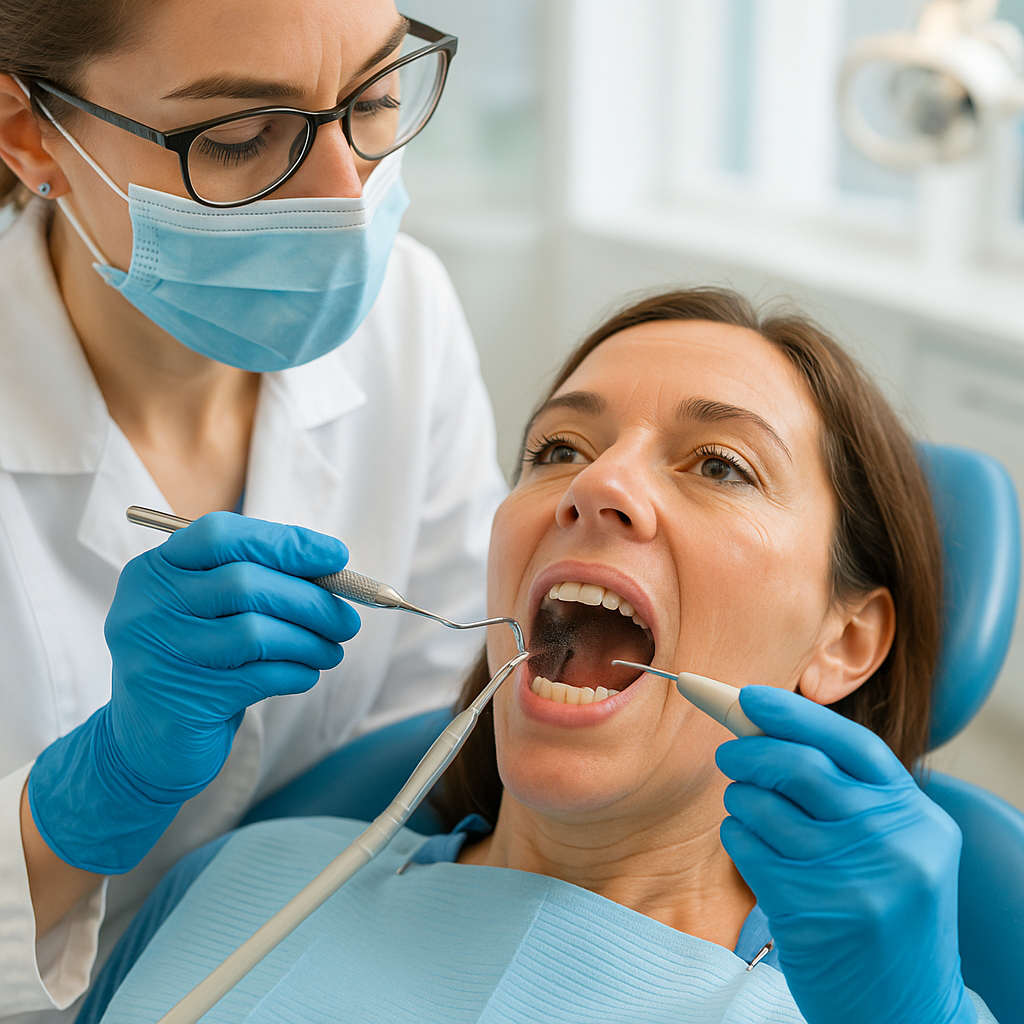
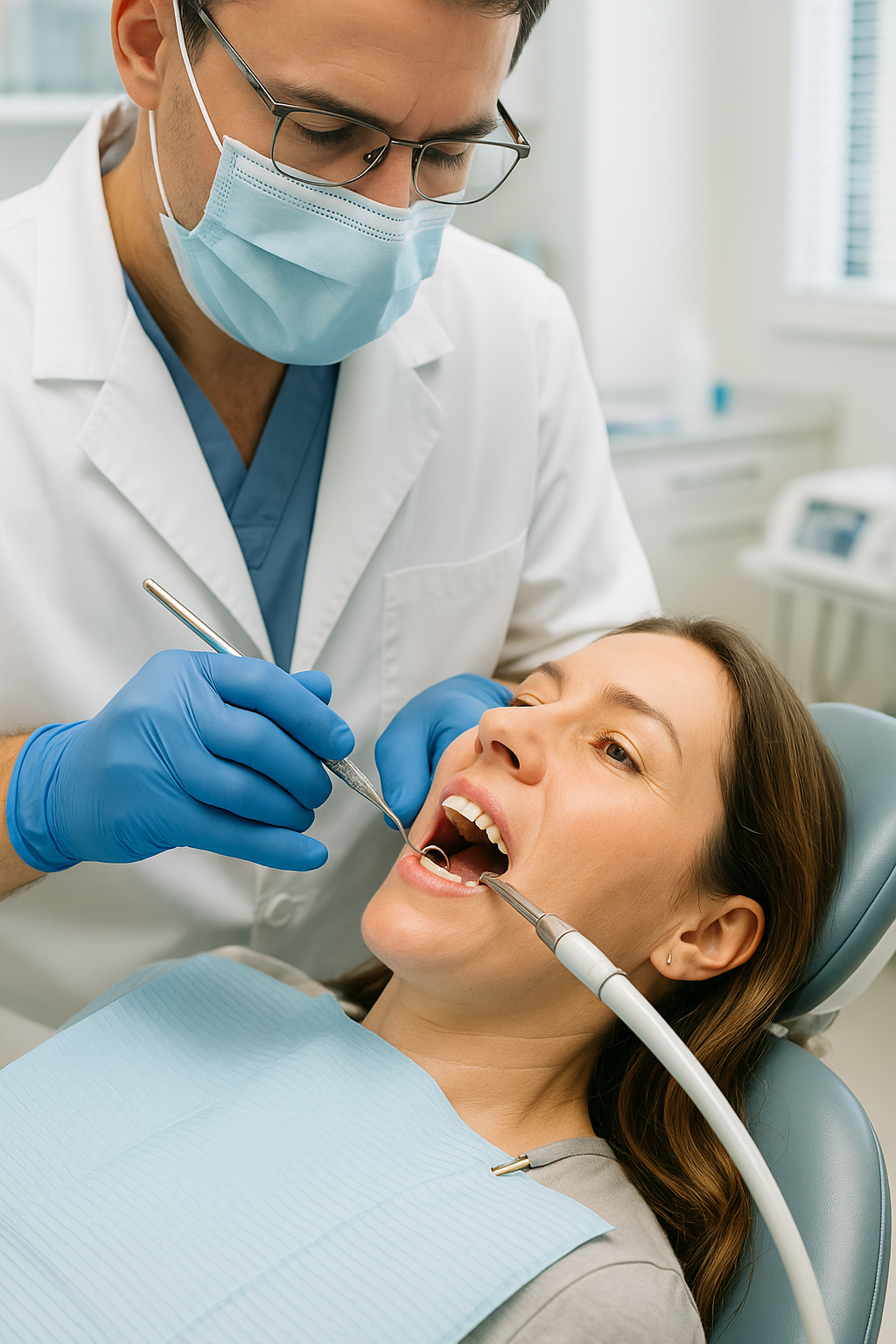
Full Mouth Debridement Vs Scaling & Root Planing
| Feature | Full Mouth Debridement (FMD) | Scaling & Root Planing (SRP) |
|---|---|---|
| Purpose | Remove heavy tartar so the dentist can evaluate gums & teeth | Treat active gum disease and clean below the gums |
| Depth of cleaning | Above & slightly below gums | Deep below gums & into pockets |
| When done? | Before diagnosis & further treatment | After diagnosis of periodontal disease |
| Goal | Clear view for exam & healing of inflamed gums | Stop bone & gum loss, help gums reattach |
Deep Scaling and Root Planing (SRP) – Frequently Asked Questions
Learn the answers to frequently asked questions about Deep Scaling and Root Planing (SRP):
When is Deep Scaling and Root Planing (SRP) needed?
When plaque and tartar build up below the gums, they create deep pockets between the teeth and gums.
This leads to:
- Gum inflammation and bleeding
- Bone loss around the teeth
- Loose teeth and eventual tooth loss if untreated
SRP helps stop this process and allows healing.
What happens during SRP Procedure?
- Usually done in quadrants (one-quarter of the mouth at a time) — sometimes over 2–4 visits.
- Local anesthesia is used to numb the area, because the instruments go below the gums.
- The dentist or hygienist:
- Scales: removes plaque & tartar from beneath the gums and from the root surfaces.
- Root planes: smooths the rough root surfaces so the gums can reattach better.
After Procedure Expectations?
- Gums may feel tender, sore, or even a little swollen for a few days.
- Some mild bleeding when brushing/flossing can occur at first.
- Teeth may feel more sensitive to hot/cold, as the buildup that was insulating them is removed.
- A follow-up visit is scheduled to reassess the gums and determine if further treatment (like deep cleaning or periodontal therapy) is needed.
What are the Aftercare Tips post Deep Scaling and Root Planing (SRP)?
- You may experience some soreness, swelling, or mild bleeding — this is normal for a few days.
- Use any prescribed antibacterial mouthwash or medications as directed.
- Soft-brushing and warm saltwater rinses can help healing.
- Avoid smoking — it slows down healing.
- Stick to soft foods for a day or two if needed.
- Return for follow-up visits to monitor healing and maintain health.
Visit Us For a Dental Exam & Consultation Today!
If you want to restore your smile with dental implant treatment, request a consultation with Dr. Rastogi online or call our dental office at 202-543-2020. Dental implants can be used alone to replace a single missing tooth or to secure dental bridges and dentures.